
Introduction
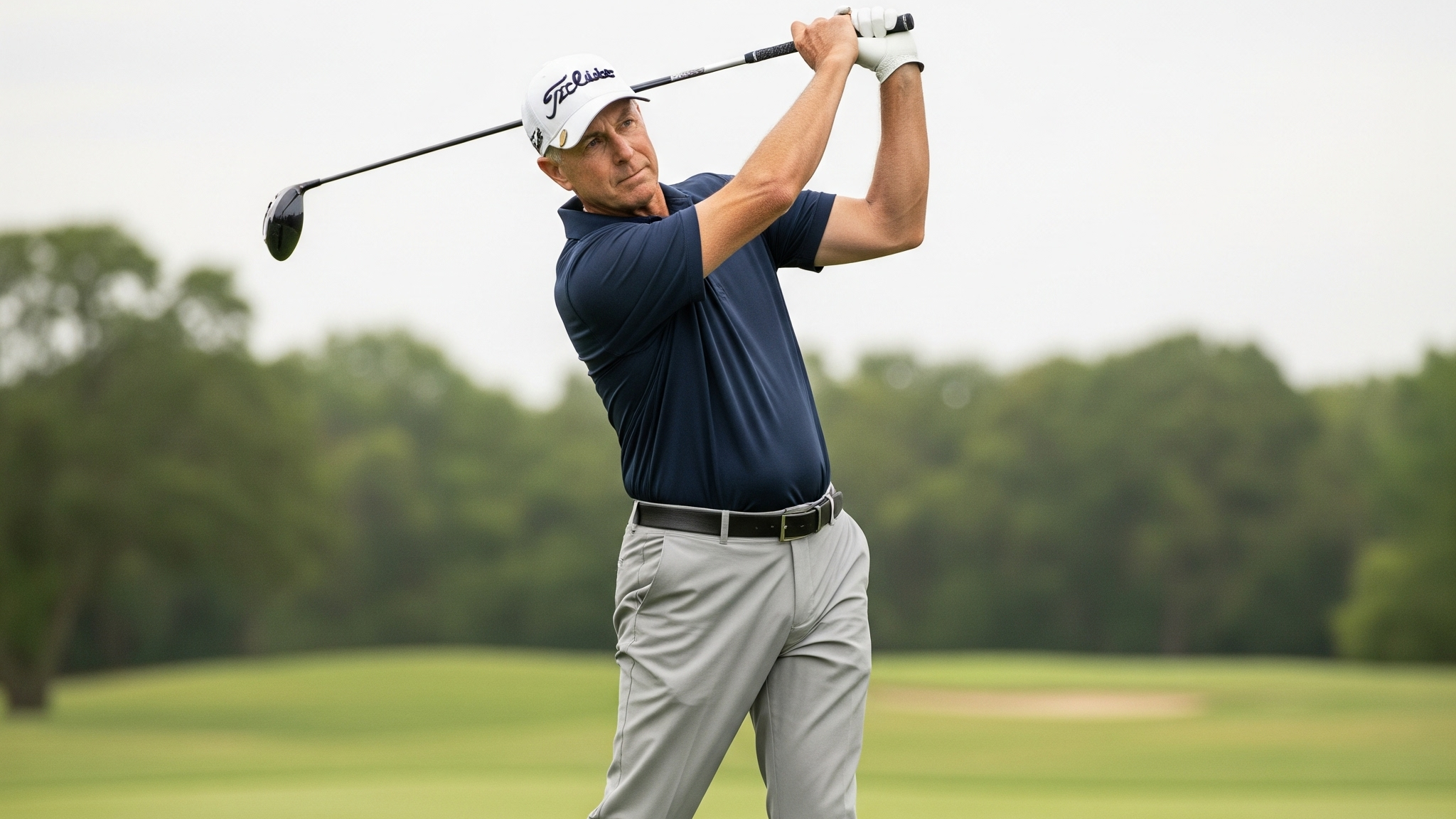
Let’s face it—hitting bombs down the fairway is one of golf’s greatest joys. And if you’re a senior golfer, you’ve probably noticed it’s not as easy as it used to be. But here’s the kicker: with the right long drive golf balls for senior golfers, you don’t have to say goodbye to those powerful tee shots. The game has evolved, and so has the gear. Today, we’re diving into distance-boosting golf balls that help you launch it high, fly it far, and keep it straight—without needing a tour-level swing.
Challenges Faced by Senior Golfers
Reduced Swing Speed
Most senior players swing at 70–90 mph, which means you’re not compressing the ball like you did in your prime. That’s where low compression balls come into play—they work with your speed, not against it.
Physical Limitations and Joint Strain
Arthritis, stiffness, or a weaker grip can affect how comfortably you swing. You need a ball that feels soft, reduces vibration, and offers easy launch.
Loss of Carry and Roll Distance
It’s not just about the swing—terrain, weather, and spin can eat away at your distance. A good long drive ball helps compensate with optimized design.
What Makes a Golf Ball Ideal for Long Drives?
Low Compression Cores
The lower the compression, the easier it is to compress with a slower swing, which gives you more distance with less effort.
Energy Transfer and Ball Speed
Modern cores are made to maximize energy transfer. That means faster ball speeds, even if your swing isn’t lightning fast.
High-Launch Dimple Patterns
Dimple design helps control flight and lift. A ball that launches higher stays in the air longer—adding extra yards.
Low Driver Spin for Straighter Flight
Too much spin means slices and hooks. Distance balls reduce spin for straight, stable drives.
Compression Explained Simply
What is Compression?
Compression measures how much a golf ball deforms when struck. Lower numbers mean softer balls that compress easily.
Why Lower is Better for Seniors
If your swing speed is under 90 mph, a ball with compression under 70 is going to fly farther and feel better.
Compression Ranges to Look For
30–50: Super soft, best for slow swings
50–70: Balanced, works for most senior golfers
70+: Better for stronger swings or high-speed players
Ball Construction and Long Drive Potential
One-, Two-, and Three-Piece Balls
One-piece: Cheap range balls. Avoid.
Two-piece: Durable and made for distance.
Three-piece: Offers distance + feel. Great for seniors who still want some finesse.
Cover Materials: Surlyn vs. Urethane
Surlyn: Harder, more durable, and long-flying
Urethane: Softer feel and spin, but usually not as long
Core Technology and Performance
Advanced cores like React Core or FastLayer help boost speed and reduce energy loss at impact.
Key Features Seniors Should Prioritize
Soft Feel for Comfort
Especially helpful if you deal with hand or wrist issues. You want feedback, not sting.
Visibility Enhancements
Matte yellow, green, or orange balls are easier to track and locate. Don’t waste strokes hunting!
Durability and Price Considerations
You don’t need a $50 box of balls to hit it far. Many senior-friendly distance balls are under $30/dozen and built to last.
Top 10 Best Long Drive Golf Balls for Seniors
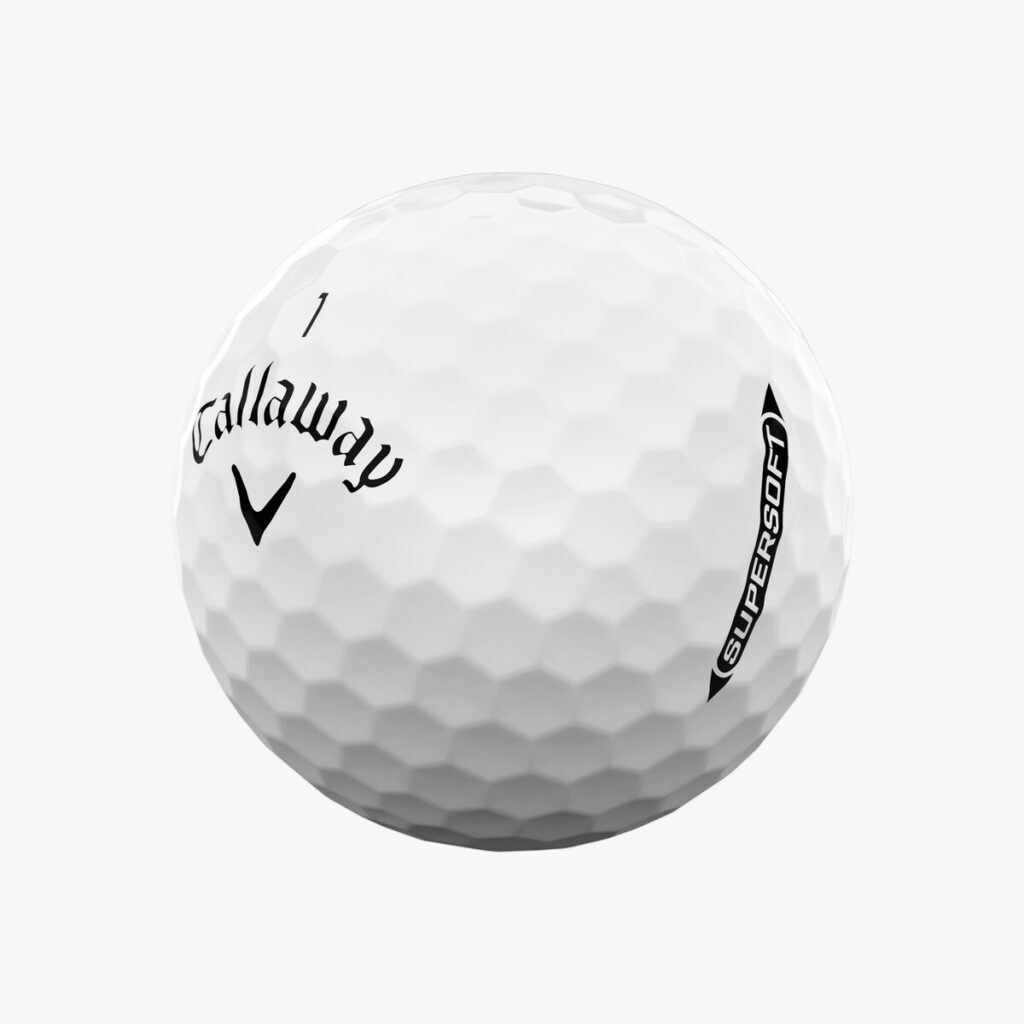
1. Callaway Supersoft
Compression: 38
Known for its soft feel and long carry. A senior staple.
2. Bridgestone e12 Contact
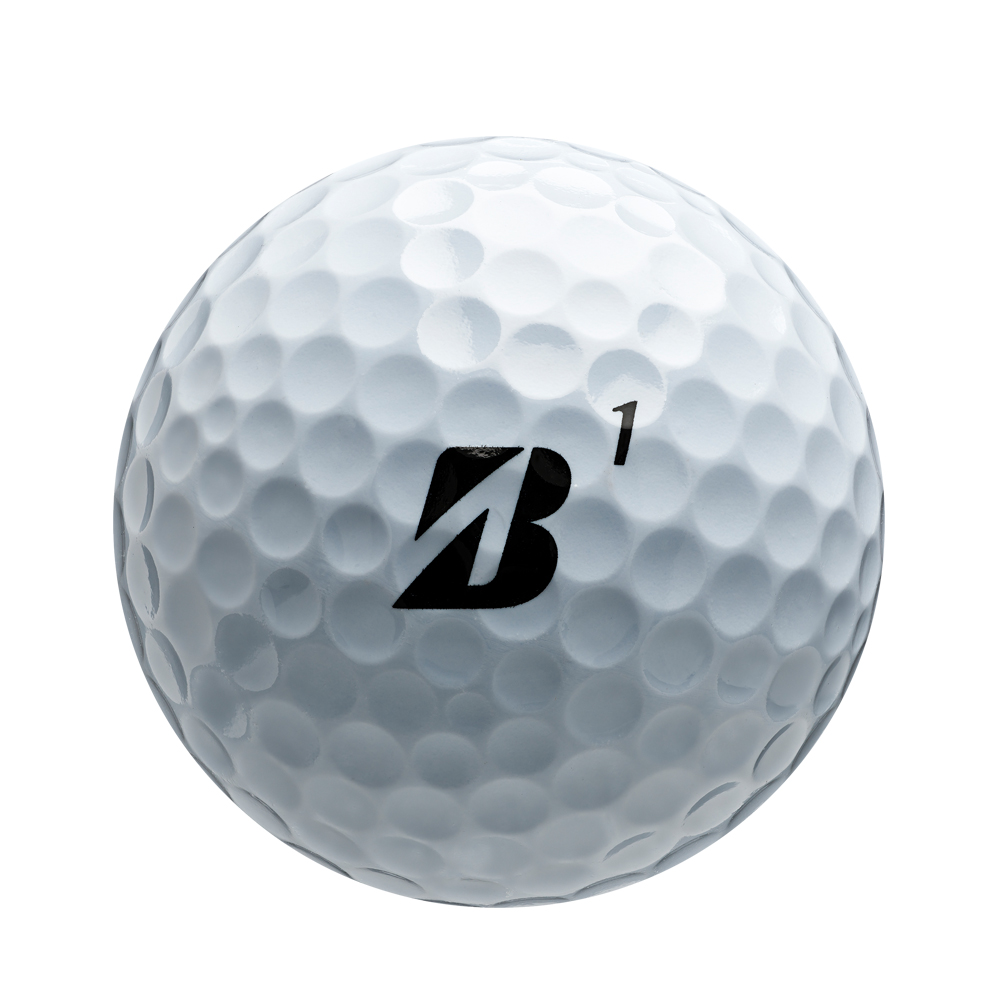
Innovative dimple tech for more contact and faster launch.
3. Titleist Velocity
Built purely for speed and distance. Launches high and fast.
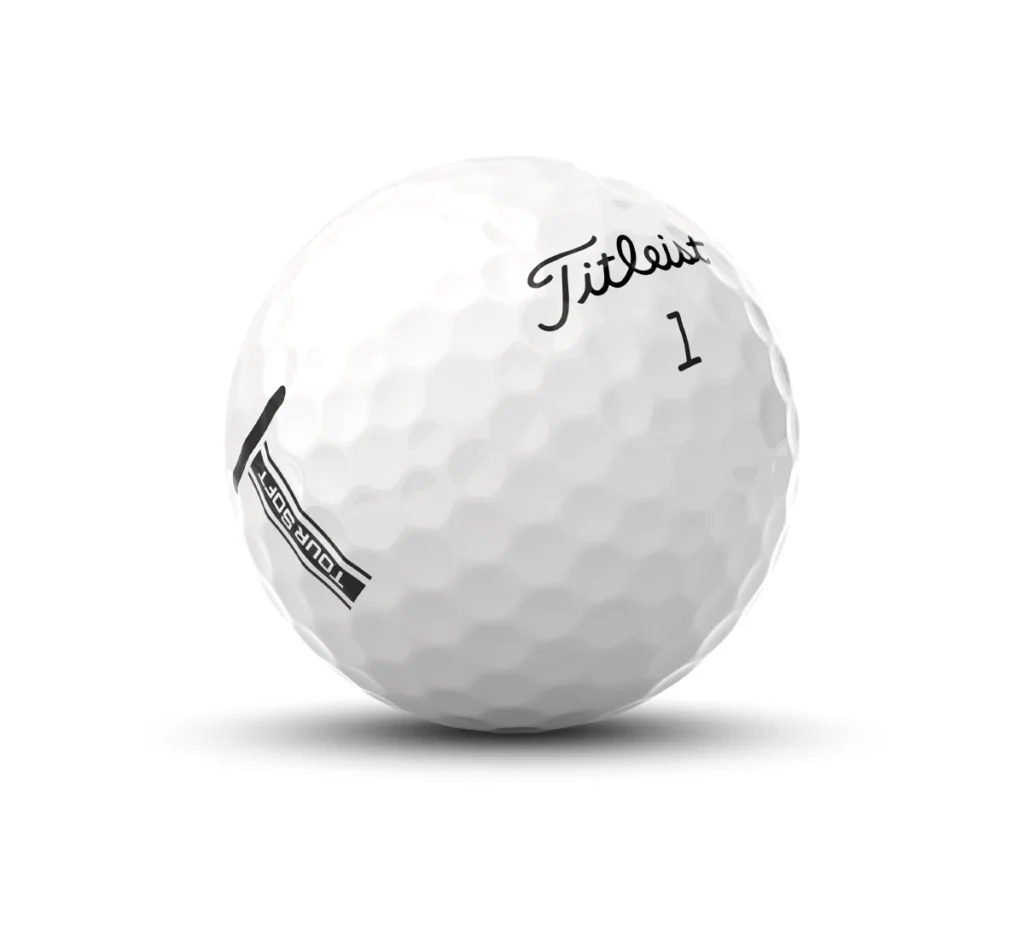
4. TaylorMade Distance+
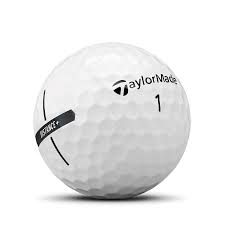
Explosive core and straight-flight performance. Great value.
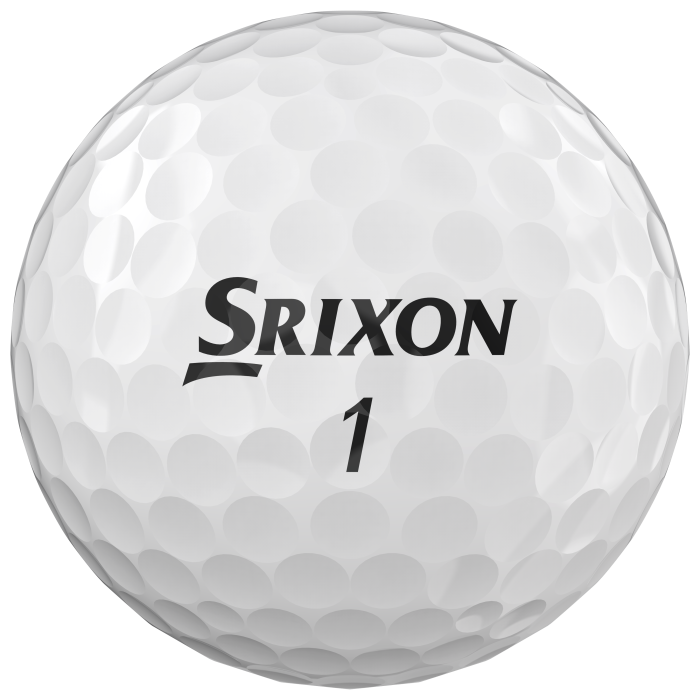
5. Srixon Soft Feel
Comfortable and consistent. Soft, long, and straight.
6. Vice Tour
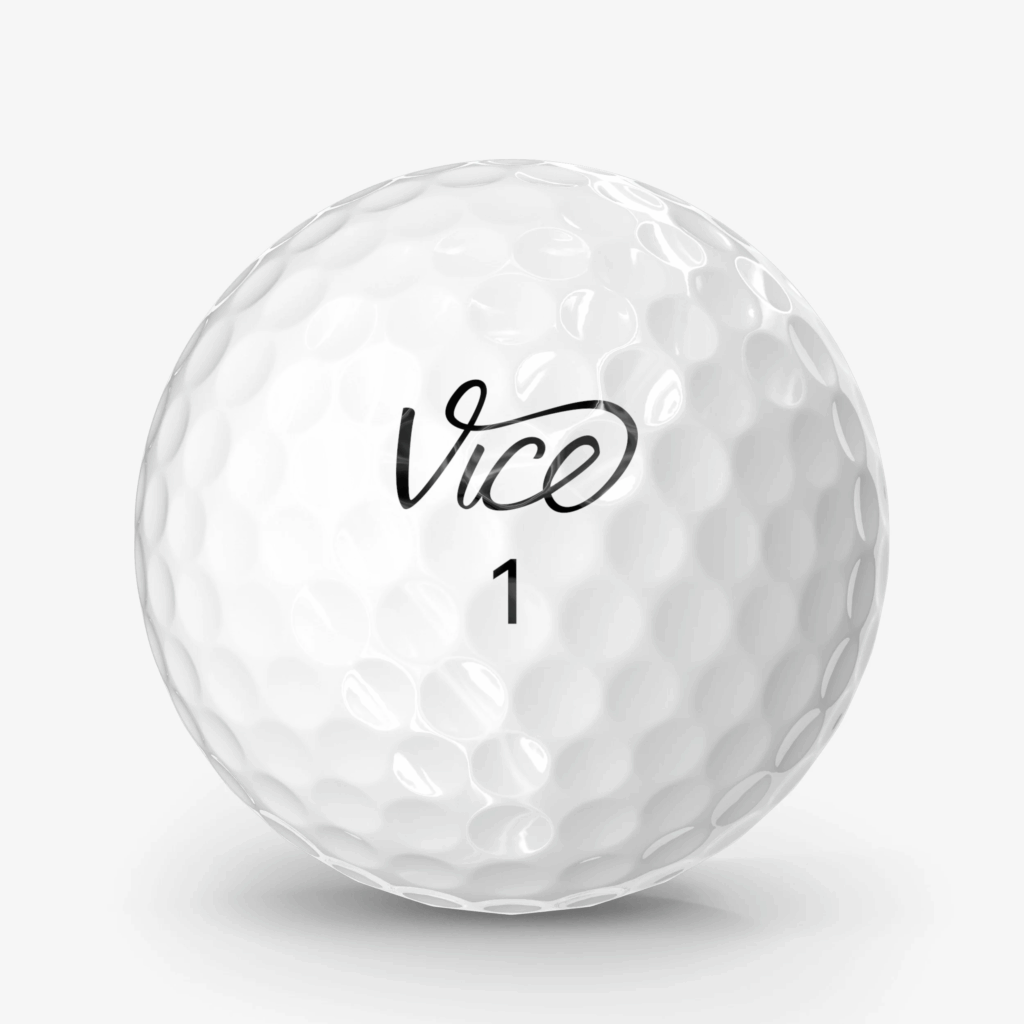
Three-piece with low compression and urethane-like performance at a lower price.
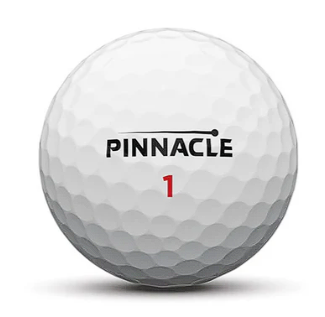
7. Pinnacle Rush
Distance monster. No frills, just long bombs.
8. Maxfli StraightFli
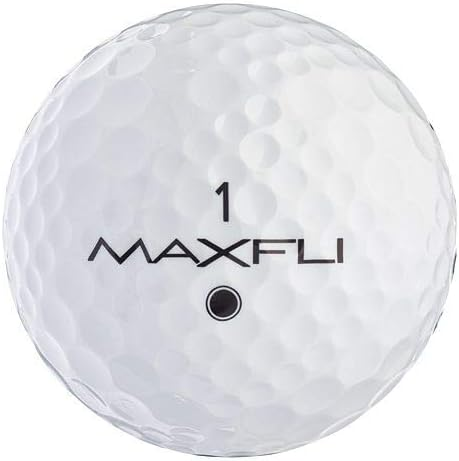
Anti-slice flight pattern. Great for players with inconsistent drives.
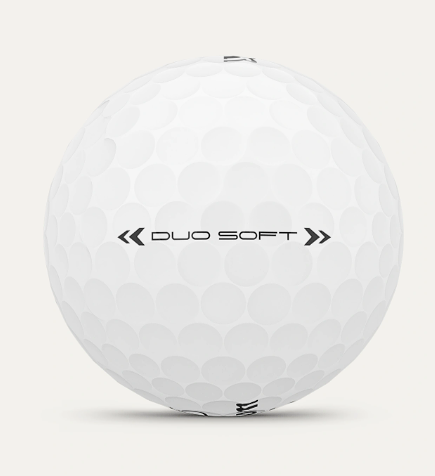
9. Wilson Duo Soft+
Compression of 35. Super easy to compress and very forgiving.
10. OnCore ELIXR
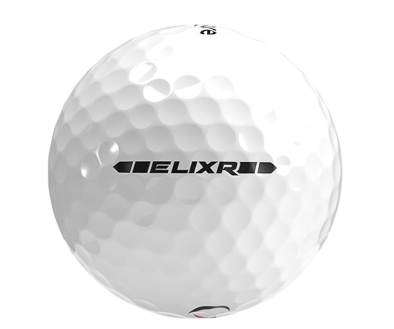
Direct-to-consumer premium feel with surprising distance.
Performance Showdown: Distance, Feel, and Control
Which Ball Goes the Furthest?
- Titleist Velocity
- Bridgestone e12 Contact
- Pinnacle Rush
Best for Feel Off the Driver Face
- Wilson Duo Soft+
- Callaway Supersoft
Short Game Trade-Offs
While distance balls may sacrifice some spin, options like Srixon Soft Feel and Vice Tour strike a balance.
Real Talk: What Senior Golfers Say
“Velocity added 15 yards to my drives. At 68, that feels like a miracle.” – George M.
“Supersoft lives up to its name. Smooth off the tee, easy on my hands.” – Rita J.
“The e12 Contact gave me a straighter flight and a few more yards right away.” – Larry T.
Custom Fit vs. Off-the-Shelf Balls
If you’re a gear junkie or still swinging fast, custom fitting may help. But for most seniors, top off-the-shelf balls like the ones above are more than enough.
Budget-Friendly Long Distance Options
Value Packs
- Maxfli StraightFli (available in 24-ball packs)
- Pinnacle Rush (15-ball packs)
- Vice Drive (bulk pricing online)
Online Direct-to-Consumer Brands
- Vice Golf
- Cut Golf
- OnCore Golf
These offer premium performance at budget prices.
Tips to Maximize Distance with the Right Ball
Proper Tee Height
Tee it high and let it fly. A higher tee helps create a higher launch angle.
Adjusting Ball Position
Play it slightly forward in your stance to maximize driver loft and distance.
Smooth Swing Mechanics
Forget trying to kill the ball. Smooth, well-sequenced swings produce better speed and more distance.
Common Misconceptions About Long Drive Balls
Tour Balls Are Always Better
Nope. They’re made for tour-level swings. Most seniors will lose distance using them.
Harder Balls Mean More Distance
Only if you swing fast enough to compress them—which most senior golfers don’t.
Final Buying Guide Checklist
✅ Low compression (<70)
✅ Two- or three-piece construction
✅ Surlyn cover for durability
✅ High-launch dimple pattern
✅ Soft feel
✅ Under $35/dozen
✅ Bright color option
Conclusion
You don’t need to swing out of your shoes to hit long. With the right equipment—especially long drive golf balls for senior golfers—you can unlock your full distance potential even with a slower swing. These balls are engineered with soft compression cores, aerodynamic dimple designs, and senior-friendly features to help you stay competitive and confident off the tee. Pick a few from our list, head to the course, and enjoy watching those drives fly farther than ever.
FAQs
1. What compression rating is best for seniors who want distance?
A rating between 30 and 70 is ideal for seniors with swing speeds under 90 mph.
2. How does ball construction affect long drives?
Two-piece and three-piece balls with soft cores and aerodynamic covers maximize distance for slower swing speeds.
3. Can a soft ball still go far?
Absolutely! Balls like the Supersoft or Duo Soft+ prove that soft and long can coexist.
4. Is it worth trying colored balls for visibility?
Yes! Bright, matte balls like yellow or orange help you track your ball easier, especially in lower light or fall leaves.
5. What’s the difference between long drive and regular golf balls?
Long drive balls are designed for carry, launch, and low spin, while regular balls may prioritize spin and control.